


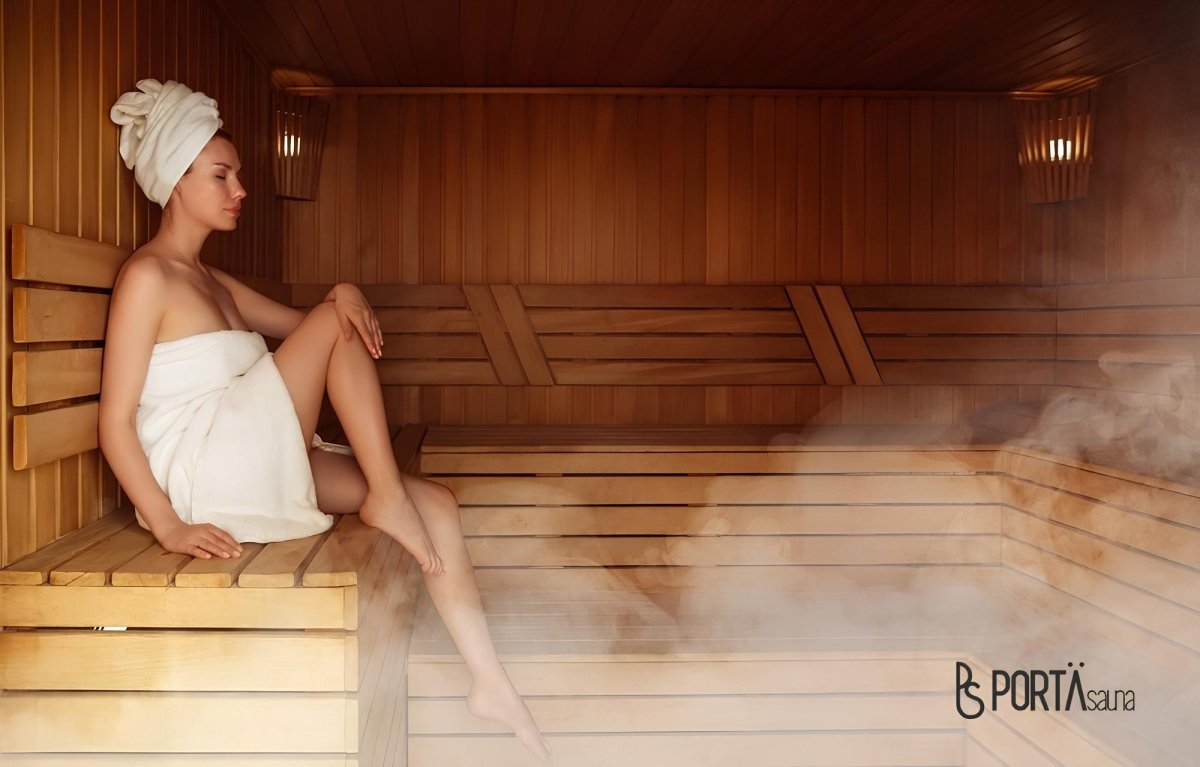
Common colds spike every winter in the UK, with damp weather, changing temperatures, and hours spent indoors providing the ideal conditions for viruses to flourish. It is during these months that many people will try the same old home remedies, from steam inhalation and hot baths to sitting in saunas to decongest themselves, clear out their sinuses, and perhaps recover more rapidly.
But here's the real question: Can a sauna actually help you get over your cold faster?
A sauna may help you feel better temporarily if you're feeling under the weather, but it won't cure your illness or make you feel better in the long run. For a few minutes, that heat may feel good, but it won't kill the virus, and it's not going to take the place of taking care of yourself with rest and recovery.
This guide details what a sauna can and cannot do when you're sick, according to science, expert opinion, and safe-use guidelines, so you know whether it's the right choice for your health or not.
How Saunas Work?

People in the UK have access to one of these hot-air experiences:
- Traditional dry sauna (high temperature, low humidity)
- Steam room / wet sauna (high humidity, warm to hot air)
- Infrared sauna (lower air temperature but radiant heat that raises tissue temperature)
Heat exposure raises your skin and core temperature, increases blood flow, and causes sweating. That higher circulation can loosen tight muscles, relax you, and, importantly for colds, may briefly open your airways and thin mucus, helping you breathe a little easier. As mentioned, in the National Library of Medicine, saunas also activate physiological stress responses (similar in some ways to light exercise), which can increase heart rate and, in some studies, transiently change immune markers.
Although each one feels different, they all share the ability to warm the body deeply, and that warmth creates predictable responses you can feel immediately. Using a portable sauna tent at home, along with essential sauna accessories, can replicate much of this experience without needing a spa membership.
Potential Benefits of Saunas When You Have a Cold
Let's look at the real, evidence-backed benefits of saunas that can make a difference in cold:
1. Short-term symptom relief (congestion, tight chest, muscle ache)
Warm, humid air (steam rooms in particular) can help thin mucus and ease nasal congestion; dry heat may feel soothing and reduce the ache that comes with a cold. Many people report feeling better immediately after a session.
Sauna helps to alter blood flow mechanics, which shows a positive effect on cardiovascular and respiratory health.
3. Comfort and relaxation (mental benefit)
Feeling cared for and calm, a warm place to sit, slow breathing, and a chance to rest are healing in themselves. This subjective benefit matters when you're dealing with a lack of sleep and general fatigue. Sauna makes you feel stress-free by changing your brain activity and mood, as stated in an article by PubMed.
3. Possible preventive effect with regular use
Some observational studies have noticed that regular sauna sessions seem linked to fewer colds and breathing issues over the long haul. The pattern hints at a protective edge tied to routine sauna use, not a quick fix for a cold you already caught.
Even though the warm air brings comfort, it doesn't push your immune system to clear the virus any faster. Your body still needs proper rest, good hydration, and patience as it heals.
What Saunas Can't Do
This is where people need the clearest guidance.
1. Saunas Do NOT Kill Cold Viruses in Your Body
Cold viruses multiply in your cells. Heat from a sauna does not reach the inside of your nasal passages or lungs deeply enough to stop the virus.
2. They Do NOT Shorten the Duration of a Cold
The common cold lasts approximately 7-10 days. A sauna doesn't quicken that process any. You might feel better during and soon after the session, but the virus is still at large.
3. They Cannot Replace Rest
If you are sick, trying too hard to sit in high heat while your body is working to fight an infection could just tire you out more.
4. Not Safe When You Have a Fever
As it is, a fever ramps up your internal temperature as part of an immune response. Too much heat and you may become dizzy, dehydrated, or pass out.
5. Not Recommended if You Are Too Weak
"Listen to your body, determine what you can handle," Dr. Rambod said. "If getting out of bed is a struggle, the sauna is not for you." Your body requires energy to heal, not heat stress.
Tips for Using a Sauna Safely When You Have a Cold
If you are looking for a sauna for some comfort, take note of these evidence-based tips:
- Skip it if you have a fever or feel lightheaded. Don't go to class, rest instead.
- Keep sessions short, 10–15 minutes. Listen to your body and get out at any point for dizziness or increased breathlessness.
- Hydrate before and after. Drink water; saunas cause fluid loss through sweating.
- Prefer infrared or lower-temperature options if you feel fragile. They raise tissue temperature more gently. But still be cautious.
- Avoid public saunas if you're contagious. Save others from catching your cold.
Combine with other symptom relief at home. Hot showers, steam inhalation (safely from a bowl of hot water), saline nasal spray, rest, and analgesics are more directly helpful for symptoms and recovery.
FAQs
How Often Should You Take a Sauna To Treat a Cold?
A sauna does not treat the cold itself. But if you want symptom relief, 1–2 short sessions per day are enough. Overuse can cause dehydration or fatigue.
Is a Sauna Good For Flu?
A sauna may ease aches and congestion, but it is not recommended for the flu, especially if you have fever, chills, or weakness. Flu strains can be more intense than colds, and heat stress may worsen symptoms.
Final Verdict: Do Saunas Help With a Cold?
Saunas may be quite good when one is stuffy and sore. They are able to dilate airways, smooth out muscles, and provide a mental boost. That is a reprieve that is worthwhile to many people. However, the cautious, scientific reality is as follows:
- They are able to relieve symptoms temporarily.
- They not only fail to cure the cold but are also not dependable in reducing recovery.
- Take precautions with them, do not take them when one has a fever, is very weak, or has other important medical issues, and do not go to public saunas when contagious.
When you are feeling low, even a few minutes of a warm steam or sauna bath at home (not in a public bathhouse) is a sympathetic treat. Combine it with the basics, though: fluids, rest, paracetamol/ibuprofen, should there be a need, and consult with your GP should you be uncertain or your symptoms aggravate.




Leave a comment
All comments are moderated before being published.
This site is protected by hCaptcha and the hCaptcha Privacy Policy and Terms of Service apply.