


Yes, you can go from a cold plunge to a sauna, and it’s a common contrast therapy practice in recent UK wellness trends. However, the order, timing, and your health condition play a crucial role in whether it’s safe and effective.
This hot-and-cold technique has ancient roots, although nowadays it is supported by modern science of recovery. The mainstream adoption of contrast therapy has been influenced by Finnish sauna culture, Nordic cold immersion, and modern wellness studios.
Elite athletes, biohackers, and spa attendees have shown that there is immense strength in a cold plunge and sauna heat together, and are starting to utilize them more and more.
In this guide, you’ll learn exactly how contrast therapy works and how to build a safe routine that fits your goals. Read on!
Sauna After a Cold Plunge - Does This Work?
Yes, you can cool off in a cold plunge pool and then go sweat it out in a sauna tent with the appropriate instruction, and yes, the sauna helps warm the body back up, relax muscles, and restore circulation after a stint of cold.
This sequence is popular among wellness lovers to re-warm the body, loosen the muscles, and boost blood flow after experiencing cold. Although some people may choose to use heat as a starting point, others would deliberately use cold and end up in the sauna warmth, particularly in colder temperatures or cooling down after exercising.
There are two common contrast therapy orders:
- Sauna → Cold Plunge
- Cold Plunge → Sauna
Both methods are popular in UK spa culture, sports recovery, and wellness at home. The impacts on your body, however, vary with the order.
Important Safety Note
Rapid temperature changes can stress the cardiovascular system. If you have heart conditions, blood pressure concerns, or are new to contrast therapy, consult a healthcare professional first.
Cold Plunge vs Sauna Order: Key Differences
Below is a quick comparison to help you decide which contrast therapy order suits your goals best.
|
Aspect |
Cold → Sauna |
Sauna → Cold |
|
Body response |
Re-warming & relaxation |
Cooling & inflammation control |
|
Best for |
Stress relief, winter use |
Athletic recovery |
|
Ending feeling |
Calm and warm |
Alert and refreshed |
|
Popular in |
Home routines |
Sports recovery |
Benefits of Alternating Between Cold Plunge and Sauna

When done correctly, alternating between cold plunge and sauna offers a refreshing sensation as well as triggers a series of physiological responses that support recovery, circulation, and overall well-being.
1. Enhanced Circulation & Cardiovascular Conditioning
The alteration of temperatures between hot and cold generates a strong "vascular pump" effect that is nothing less than amazing.
- Heat makes the blood vessels widen, which amounts to more blood flow and oxygen being supplied.
- On the other hand, cold makes the vessels narrow, thus directing the blood back to the center and aiding in the removal of wastes.
If this cycling of blood vessels getting bigger and smaller is performed frequently, it can make blood circulation and vessels respond better to changes in temperature better, and also it can improve the health of the heart and the whole circulatory system.
2. Faster Muscle Recovery & Reduced Soreness
The concept of sauna contrast therapy in the UK is a popular method of recovery among athletes and fitness enthusiasts.
- Heat relaxes the muscles, enhances flexibility, and supports oxygen delivery and metabolic waste removal.
- Cold decreases inflammation and metabolic waste following strenuous exercise.
Alternating temperature cycle also assists in accelerating muscle healing, decreasing the delayed onset muscle soreness (DOMS), and facilitating faster recovery than passive rest.
3. Improved Mental Clarity & Mood
The hot-cold sequence not only has impacts on the body, but it also has impacts on the mind as well:
- Heat facilitates relaxation and reduces the level of stress hormone (cortisol).
- Cold immersion induces the release of endorphins and norepinephrine that may promote mood, alertness, and concentration.
Contrast therapy users experience better mental clarity, anxiety, and an energetic recharge after the sessions.
4. Immune Support & Detoxification
Switching between sauna and cold plunge can assist your body in the natural cleansing and defense system:
Saunas enhance the process of sweating, which is useful in processes of detoxification and the generation of heat shock protein.
Being exposed to cold may enhance the immune system and aid in the circulation of blood.
A combination of them will help to develop a better immune response and overall wellness.
Also Read: Benefits of Cold Plunge Therapy
Best Practices & Timing
Contrast therapy works best when sessions are controlled and intentional.
How Long to Stay in Each
- Sauna: 10–20 minutes at 60–90°C, depending on heat level and experience.
- Cold Plunge: 2–5 minutes in water around 10–15°C. Beginners should start at slightly higher temperatures (15–18°C) for 30–60 seconds and build tolerance gradually.
Repeat Cycles
Many recovery routines include 2-3 rounds of heat and cold. More cycles do not always mean better results.
Rest & Hydration
- Towel off between sessions
- Drink water regularly
- Sit or stand slowly to avoid dizziness
- Listen to your body at all times
Safety Considerations of Contrast Therapy
Contrast therapy is powerful and should be respected.
Who Should Be Cautious
- People with heart conditions
- Those with blood pressure concerns
- Pregnant individuals
- Anyone sensitive to extreme temperatures
Signs to Stop Immediately
- Dizziness or lightheadedness
- Numbness or tingling
- Chest discomfort
- Extreme discomfort
Rapid temperature changes can place additional stress on the cardiovascular system, particularly for individuals with heart or blood pressure conditions. Always move slowly between environments.
Important: Consult a healthcare professional before starting contrast therapy, especially if you have any medical conditions.
Expert Tips & Recommended Routine
Simple Beginner Routine
- Sauna warm-up: 10 minutes
- Cold plunge: 2–3 minutes
- Rest: 5 minutes
- Repeat 1–2 cycles
How to End Your Session
- End with a sauna for relaxation, stress relief, and better sleep
- End with cold for alertness, focus, and energy
Choose your finish based on your personal goals.
FAQs
Is it better to do a sauna or a cold plunge first?
Both work. Sauna first is more common for recovery, while cold first, followed by sauna, is often chosen for relaxation.
How long should I wait between cold and heat?
A short rest of 1-5 minutes is usually enough. Focus on steady breathing and hydration.
Can contrast therapy improve workout recovery?
Yes. Many athletes use it to reduce soreness and support muscle recovery.
Can you do contrast therapy daily?
Some people do, but beginners should start 2-3 times per week and adjust based on how their body responds.
Conclusion
As long as you know your body's reactions, the timing, and the order in which you are going to do the therapy, you can make anything you want to happen.
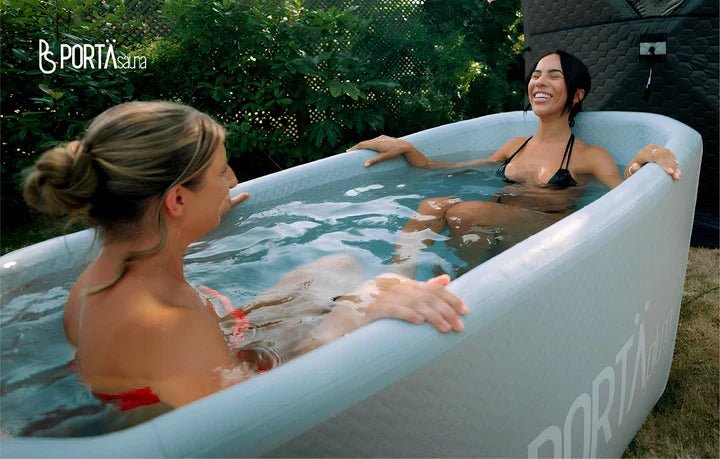
If you’re interested in structuring your own contrast therapy regimen at home, a portable sauna and plunge pool can simplify the process while giving you independence to control it and make it as comfortable as possible.


Leave a comment
All comments are moderated before being published.
This site is protected by hCaptcha and the hCaptcha Privacy Policy and Terms of Service apply.