


Sleep problems rarely come from just one cause. Stress builds up, screens stay on too late, routines shift, and the body struggles to switch off. Many people across the UK look for simple ways to unwind at night without relying on supplements or medication.
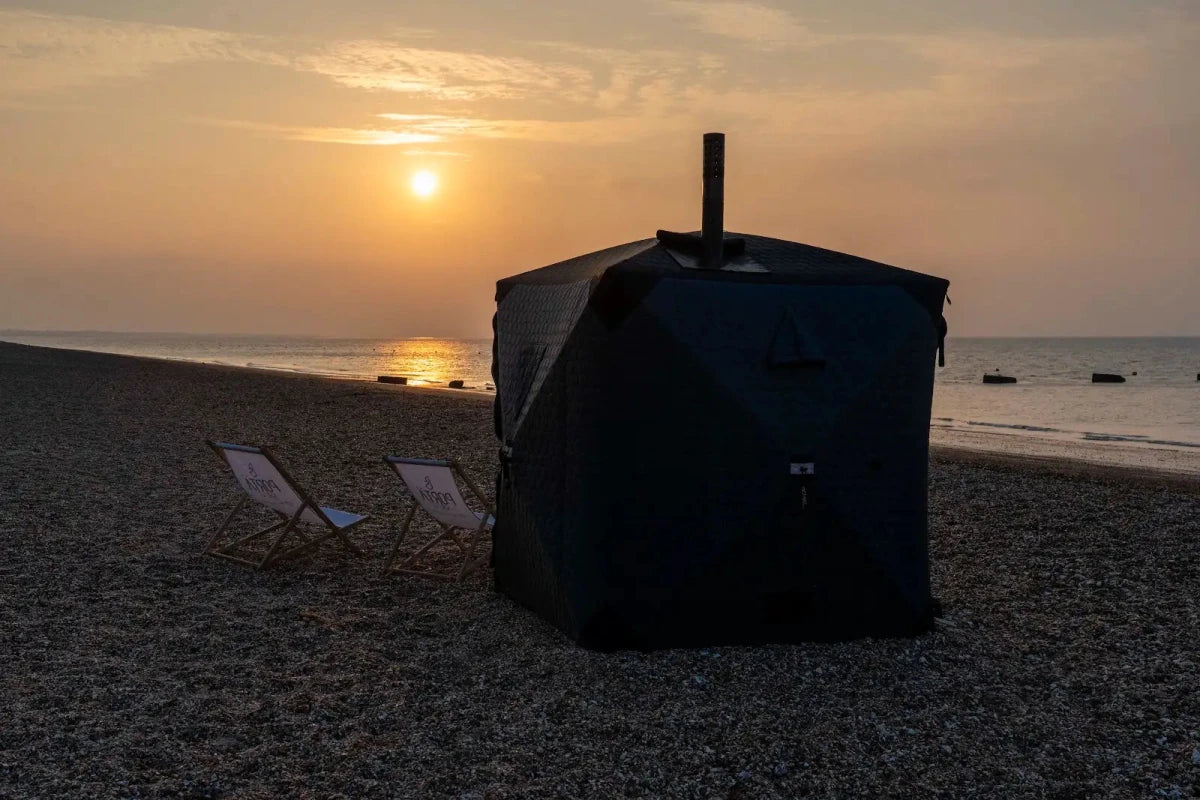
A well-timed sauna session is one of the approaches, because it works with the body’s own temperature rhythm instead of forcing sleep. Heat exposure, whether from traditional setups, infrared systems, or even a portable sauna tent, briefly raises core temperature. This temperature shift is closely tied to how the circadian system prepares for rest, supporting smoother sleep onset when timed correctly.
The key isn’t just using a sauna before bed; it’s how you use it.
Benefits of Using a Sauna Before Sleep

- Promotes Relaxation: Heat exposure helps the body release tension and shift into a calmer state, making unwinding easier for the mind and body before sleep.
- Reduces Stress Levels: Sauna sessions may lower stress hormones like cortisol, helping the mind slow down and reduce nighttime overthinking.
- Eases Muscle Tension: Warmth improves circulation and relaxes tight muscles, useful after long workdays or evening workouts.
- Supports Better Sleep Quality: Many regular sauna users report deeper and more consistent sleep patterns after evening sessions.
- Encourages a Consistent Night Routine: Adding a sauna session to the night routine creates a predictable wind-down signal for the body.
Also Read: Which is Better Outdoor Sauna or Indoor Sauna.
Science-Led Sleep Mechanism
Sauna before bed supports sleep through a clear thermoregulation process. Heat temporarily raises core body temperature. After the session, the body begins cooling. Cooling phase mirrors natural pre-sleep temperature drop that signals the brain to initiate rest.
A study published on ScienceDirect notes that heat exposure followed by passive cooling improves sleep onset by aligning the body's circadian temperature rhythm. As the body shifts from heat stress to recovery, parasympathetic activity increases, promoting relaxation.
Research discussed in the Journal of Physiological Anthropology also links cooling response with improved sleep efficiency and easier transition into deep sleep stages.
Best Time to Use a Sauna Before Bed
The best time for sauna use before bed is around 1 to 3 hours before sleep, allowing the body enough time to leave heat exposure behind and stabilise the core cooling process. Breaks between sauna sessions support a rise in core temperature, then the gradual drop after the session, which helps natural cooling before the sleep process, improving rest quality overall at night.
Sauna temperature also impacts sleep quality, influencing ease of falling asleep and staying asleep.
- Moderate heat works better than extreme heat
- Overheating delays the natural cooling phase
- Mild heat supports relaxation without overstimulation
It is important not to move directly from an intense sauna session straight into bed.
How Long Should a Bedtime Sauna Session Be?
A bedtime sauna session does not need much time to work well. In most situations, 10 to 20 minutes of heat exposure is enough to activate relaxation and begin the natural cooling phase that supports better sleep.
- Beginners or people who feel the heat quickly may find 8 to 12 minutes more comfortable.
- Regular sauna users usually stay near the 15 to 20 minute range
Long sessions rarely improve sleep results and can leave the body too warm, which may delay sleep.
Sleep-focused sauna use should stay centered on calm and recovery. A steady rise in core temperature followed by a natural drop helps the body shift into a resting state. That’s why shorter, controlled sessions tend to work better than longer, intense ones, especially when the sauna is part of a nighttime routine.
How to Use a Sauna Before Bed Safely

Sauna use before bed should stay simple and calm so the body gets enough time to settle afterwards, then properly.
Good practice is to use it around 1 to 3 hours before sleep, then let the body cool down naturally instead of going directly into bed while still feeling warm at night. slow recovery phase. This cooling time matters because it helps the body move into a calmer sleep-ready state more easily now.
After finishing the session, giving yourself a quiet break helps, let the temperature drop slowly, and avoid lying down right away if overheating still remains during this phase.
Drinking water and staying relaxed during this time also supports body recovery smoothly, helping sleep become easier later in the night.
Mistakes That Can Ruin the Sleep Benefit
- Going into a sauna just before bedtime can keep the body too warm, making it difficult to relax fully.
- Very long or intense heat exposure may trigger alertness in the nervous system rather than rest.
- Poor hydration habits can result in dryness and discomfort that interrupt sleep cycles.
- A sauna should support relaxation and recovery, not act as a test of physical limits.
Who May Benefit Most
Sauna before sleep works particularly well for:
- People dealing with evening stress
- Those who struggle to mentally switch off
- Individuals with muscle soreness at night
- Anyone building a screen-free bedtime routine
Who Should Be Careful or Avoid It
Certain individuals should avoid or consult a professional before using a sauna:
- Pregnant individuals
- People with heart or blood pressure conditions
- Those prone to dehydration
- Individuals sensitive to heat
Sauna use is generally safe, but not for everyone, especially without proper guidance.
FAQs
How long before bed should I use a sauna?
Around 1–2 hours before bedtime is ideal. This allows your body temperature to drop naturally and prepare for sleep.
Does sauna help you sleep better?
Yes, when used correctly. The cooling phase after heat exposure supports faster sleep onset and better sleep quality.
Is an infrared sauna better than a traditional sauna at night?
Infrared saunas are often more comfortable for evening use due to lower temperatures, but both can support sleep if timed properly.
Can sauna before bed keep you awake instead?
Yes, if used too late or too intensely. Overheating or poor timing can delay sleep.
Can I take a cold shower after using a sauna before bed?
A mild cool-down is fine, but very cold showers right before sleep may stimulate the body and delay relaxation.
Conclusion
Establishing a sauna routine before sleep can influence the way your body gets ready to sleep. The most important point is that when you leave the sauna, and your body begins to cool, your muscles relax, and your mind is more relaxed. This cooling process informs your body that it is time to sleep.
A basic routine simplifies consistency. A portable home sauna, which reduces additional steps, making this a routine and relaxing part of your evening rather than a rare one.




Leave a comment
All comments are moderated before being published.
This site is protected by hCaptcha and the hCaptcha Privacy Policy and Terms of Service apply.