



Outdoor wellness and portable sauna tents are rapidly growing across the UK, and saunas are now a major part of that shift. Yet one decision creates constant confusion for homeowners, especially when deciding between indoor, outdoor, or more portable options.
Both options deliver strong health and relaxation benefits, but the right choice is not universal. UK homes vary widely in space, layout, and weather exposure, which makes the decision more practical than emotional.
- Indoor models appeal for accessibility and all-weather use.
- Outdoor saunas attract those wanting a private garden retreat and a more traditional atmosphere.
Still, different factors like installation cost, available space, running expenses, and daily convenience define which option suits you best. A clear difference avoids expensive mistakes and ensures the sauna fits naturally into your home lifestyle.
What Is the Difference Between Indoor and Outdoor Saunas
An indoor sauna is best installed in bathrooms, basements, spare rooms, or converted wellness spaces. It is a part of the building structure and connects to existing electrical and ventilation systems.
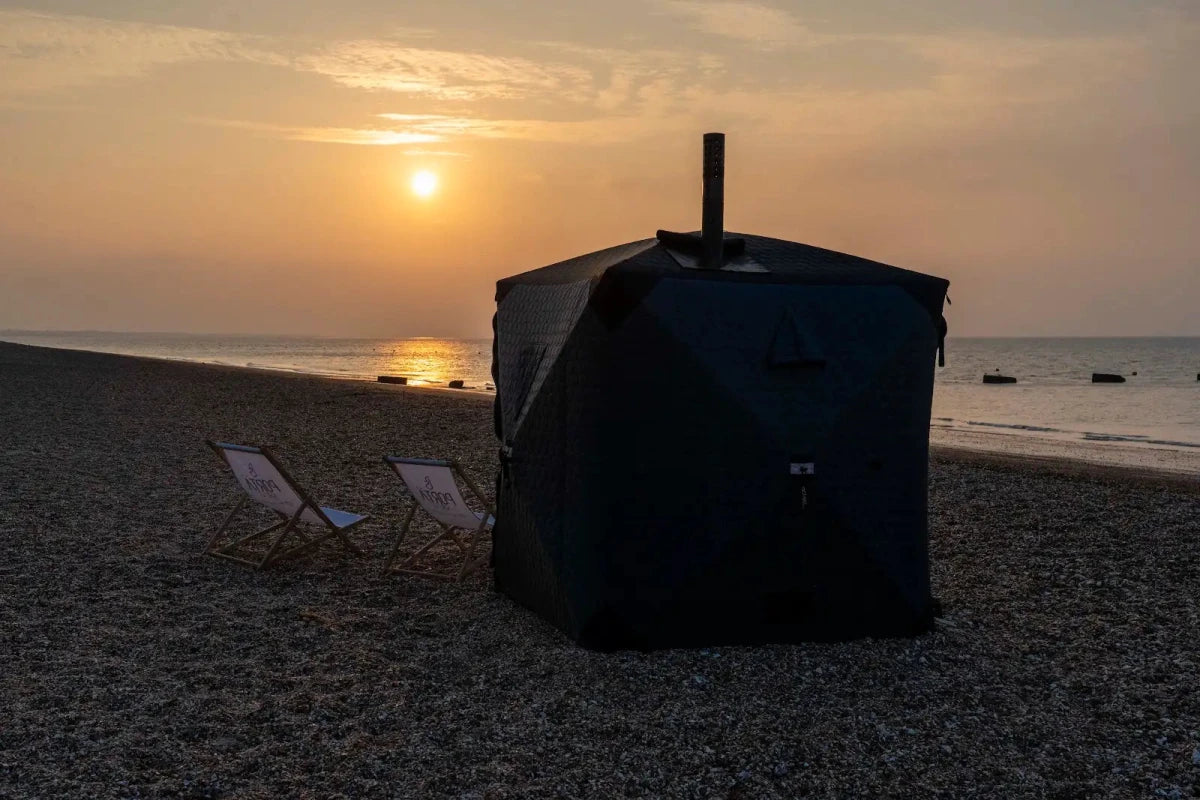
Some outdoor saunas are fully portable, allowing setup in gardens, campsites, or travel locations without permanent construction. They function separately and often appear as a small cabin or barrel-style unit.
The core difference lies in:
- Location (inside home vs garden)
- Installation complexity
- Exposure to weather
- Space requirements
Indoor saunas prioritise convenience, while outdoor saunas focus on experience and flexibility.
Outdoor Sauna vs Indoor Sauna
| Factor | Indoor Sauna | Outdoor Sauna |
| Space requirement | Needs an indoor room | Requires a garden or yard |
| Installation | More structural work | Needs foundation setup |
| Cost | Often higher for integration | Moderate to high, depending on build |
| Maintenance | Lower exposure issues | Weather exposure increases upkeep |
| Accessibility | Very convenient | Requires outdoor access |
| Weather impact | None | Direct exposure |
| Flexibility | Fixed location | Portable options available |
| Experience | Controlled environment | Natural, immersive feel |
Benefits of Outdoor Saunas At Home

Outdoor saunas attract homeowners who want a deeper wellness setup and a more natural feel.
- Expanded space and layout freedom: Garden areas support bigger sauna builds, including multi-user designs and tailored structures.
- Fresh air supports ventilation: Outdoor placement naturally improves ventilation and reduces indoor moisture concerns.
- Authentic sauna routine: Many users enjoy stepping out into fresh air, helping relaxation and blood flow after heat sessions.
- Designed for shared use: Outdoor units fit families or guests easily, giving more comfort than compact indoor spaces.
- Outdoor saunas provide more space, flexible designs, and a traditional heat experience. Fresh air cooling between sessions enhances relaxation, improves circulation, and supports natural stress relief and recovery.
Outdoor sauna setups in UK gardens are often chosen for detached homes where garden space is available, and privacy is high.
Benefits of Indoor Saunas At Home
Indoor saunas support simple use and stable comfort throughout the seasons in UK conditions.
- Convenience and daily access: No need to go outside during rain, cold spells, or winter days.
- Weather protection: Indoor setup avoids exposure to UK rain, frost, and harsh wind.
-
Easier access for routine use: Many homeowners use indoor saunas more often due to their close location.
- Ideal for smaller homes: Flats, terraced houses, and compact properties match indoor setups better.
- Indoor saunas offer convenience, privacy, and year-round access without weather concerns. Consistent indoor use supports relaxation, detoxification, and improved sleep quality.
Indoor options are preferred in urban homes where garden space is limited.
Key Differences That Matter for UK Homes - Indoor vs Outdoor Sauna
UK living conditions strongly influence sauna choice.
1. Weather Impact
Frequent rainfall in the UK, damp conditions, and winter frost mean outdoor saunas need insulation and treatment to last. Indoor saunas stay protected inside, keeping stable performance without seasonal stress or weather-related wear problems.
2. Space Limitations
Urban terraces and flats in the UK have limited garden or outdoor space. For such areas, indoor saunas suit best in spare rooms or bathrooms, making them a practical option for compact living environments.
3. Privacy Concerns
Home-based indoor saunas give strong privacy inside the living space, ideal for repeated use. Outdoor setups often require fencing, garden design, or smart placement to block neighbour sight in densely populated UK residential areas.
4. Usage Frequency
Indoor units support easier access, encouraging steady use across all seasons. While outdoor saunas are less convenient to reach during cold, wet, or dark weather, they decrease regular use in weekly or daily habits. But if you have a portable sauna tent UK, you can use it according to your needs, as it is more accessible and convenient for better health benefits.
Also Learn: How often should a sauna be used?
Cost Comparison of Indoor and Outdoor Saunas

Cost plays a major role in the decision between indoor and outdoor setups.
Indoor Sauna Costs
Initial indoor sauna costs stay lower at the base unit level, attracting homeowners setting up wellness spaces in the early home use phase. Costs can increase when structural work becomes necessary, such as reinforcing floors, adding insulation, or integrating the unit into the room’s existing structure.
Ventilation systems remain important for moisture control, while dedicated electrical connections may also be required, increasing the total installation cost in UK homes overall, especially for long-term setup.
Outdoor Sauna Costs
Traditional outdoor saunas require groundwork, while portable home sauna options significantly reduce installation costs. Garden preparation and positioning further increase initial costs.
Electrical routing from the main house toward the outdoor unit increases installation complexity and total cost impact level. Prefabricated outdoor sauna units remain widely available in the UK market and usually cost less than fully custom-built designs, creating flexible choices for different budget segments across different user needs.
Both categories may overlap in price based on design complexity, but indoor installations often turn out to be more costly when home modifications become necessary.
Installation & Setup Differences
Indoor and outdoor saunas differ significantly in how they are installed and integrated within a property.
An indoor sauna requires careful planning inside the home structure, including a dedicated electrical circuit designed for consistent heat output system performance.
- Proper moisture control and ventilation systems remain essential to prevent condensation and protect surrounding areas from damp damage.
- Heat-resistant wall insulation remains necessary for safety and energy efficiency standards.
Most homes place indoor saunas in enclosed spaces such as bathrooms, basements, or spare rooms where ventilation and drainage are managed effectively with proper design.
Outdoor saunas, on the other hand, involve additional groundwork before installation begins.
- A stable base, usually a concrete slab or reinforced decking, supports the overall structure effectively in place.
- Materials must remain weather-resistant to withstand UK rain and seasonal shifts.
- Portable outdoor saunas often avoid complex installation entirely, using wood-fired systems and quick assembly designs.
- Insulation often comes included or added later to improve performance during colder months.
Maintenance & Durability of Indoor vs Outdoor Sauna
Maintenance depends on exposure and usage. Indoor saunas remain protected from rain, dust, and temperature shifts, which reduces wear, though good ventilation is still necessary to control moisture and avoid humidity damage over time. They remain easier to maintain and ensure steady performance output.
Outdoor saunas need weather-resistant materials, though modern designs are built for durability in the UK climate conditions. Maintenance includes wood treatment and roof checks to maintain structural integrity.
Although maintenance is higher, outdoor units are built for durability and perform reliably when properly maintained.
Which Sauna Is Better for You?
The decision between an outdoor sauna and an indoor sauna brings no clear winner. Lifestyle patterns and home structure guide the final selection.
An indoor sauna fits well in apartments and smaller houses where space is restricted. Users who prefer comfort access, fast routine use, and enclosed privacy find it more practical. Daily sessions feel easier without leaving the indoor area.
Outdoor saunas in homes with garden areas create a more natural and relaxing atmosphere. It supports a bigger seating space, spa-style experience, and outdoor wellness enjoyment.
Final selection depends on available space, ease of access, and personal wellness preference at home.
Also Read: Sauna vs Steam Room - Which is Good?
FAQs
Which sauna is better for UK homes?
Both work well, but indoor saunas suit urban UK homes, while outdoor saunas suit houses with gardens and more space.
Is an outdoor sauna suitable for the UK weather?
Yes, but it requires weatherproof materials and proper insulation to handle rain and winter conditions.
Does an indoor sauna cause humidity issues?
It can if ventilation is poor, so proper airflow systems are essential during installation.
Which sauna is cheaper to run in the UK?
Running costs are similar, but efficiency depends more on insulation and usage than location.
Conclusion
The selection between an outdoor sauna and an indoor sauna relates closely to daily routine instead of any fixed superior choice.
Indoor saunas provide simple access, higher privacy levels, and regular home use comfort. Outdoor saunas create a deeper experience, wider placement options, and a traditional wellness environment.
You will get the best results when your choice aligns with home layout, budget limits, and usage needs. Lifestyle-driven selection improves value and long-term satisfaction.



Leave a comment
All comments are moderated before being published.
This site is protected by hCaptcha and the hCaptcha Privacy Policy and Terms of Service apply.