



Many women in the UK experience poor sleep, stress, muscle fatigue, hormonal fluctuations, and the demands of busy modern lifestyles. Sauna therapy is now a tried-and-true component of contemporary women's wellness, offering a natural and sustainable route to relaxation, circulation, recovery, and sleep quality. Infrared portable sauna tents and traditional Finnish sauna sessions are now popular in gyms, spas, recovery studios, and home wellness spaces across the UK.
Sauna bathing has been associated with better cardiovascular function, reduced stress levels, improved recovery, and greater overall well-being. Women also experience benefits in the areas of glowing skin, post-workout recovery, muscle relaxation, and emotional balance during PMS or menopause. Sauna therapy, when safely used, can be a valuable self-care practice that contributes to long-term health and wellbeing, not short-term fads.
Helps Women Relax and Reduce Stress
One of the most obvious sauna benefits for women is a sense of calm after a sauna session. Many women enjoy going to saunas at the end of their workday, training session, or an emotionally loaded day because it makes them physically and mentally calm.
Sauna for stress relief is increasingly popular since there are no distractions in the natural sauna environment. The nervous system can be relaxed with quiet heat, controlled breathing, and less stimulation. Others enjoy a sauna experience while simultaneously practicing mindfulness, breathing exercises, or listening to relaxing music.
A study in the Yonsei Medical Journal indicates that heat therapy could have a positive effect on relaxation and mood control. People who use a sauna regularly tend to feel less stressed and calmer after the sessions.
Women also tend to favour infrared saunas because the heat is gradual, as opposed to the immediate ambient heat that a traditional sauna brings.
May Improve Sleep Quality
There is a direct link between sleep deprivation and energy and attention. This also negatively affects the recovery of muscles, hormones, and emotional health. Women tend to use a sauna in the evening because it makes them feel relaxed, calm, and at ease prior to retiring to bed.
Cooling of the body takes place gradually after the sauna. This relaxing reaction can help soothe the person and prepare for sleep. Many women find that a sauna can enhance their sleep routine due to the relaxing effect.
The relationship between sauna bathing and deeper sleep cycles has been studied. A research study published in the Multidisciplinary Biomedical Journal found that sauna use enhanced slow-wave sleep and reduced the number of interruptions occurring during sleep.
For women creating a nighttime recovery routine, sauna sessions are commonly paired with:
- Light stretching
- Herbal tea or hydration
- Reduced screen exposure
- Post-sauna skincare
- Calm breathing exercises
An evening sauna routine is more comforting during colder months when stress levels rise and sleep patterns become harder to manage.
Improve Skin Health and Natural Glow

A healthy post-sauna glow is one of the skin benefits many women desire. Higher blood circulation during sauna sessions increases oxygen flow. This also moves important nutrients closer to the outer layer of the skin. Skin looks more radiant and lively for a short time afterward.
Heavy sweating washes away oils, debris, and clogged surface impurities. Sauna bathing is not considered a treatment for skin concerns, though many female users say regular sessions leave their skin feeling renewed, cleaner, and more revived.
Evidence shared by Frontiers in Cardiovascular Medicine regarding heat therapy and circulation reveals that sauna heat strongly boosts blood flow toward the skin while the body attempts to cool itself down naturally.
Sauna sessions are commonly added to women's relaxation and skincare practices because the steady warmth may assist with:
Temporary skin rejuvenation
- A refreshed skin appearance
- Relaxation-related glow
- Improved circulation
- Stress reduction that may indirectly support skin wellness
Keeping the skin hydrated is significant during saunas. Excessive sweating without adequate water intake can leave the skin dry rather than hydrated and soft. Water before and after workouts nourishes the skin for a more attractive appearance.
A few simple skin care tips after a sauna generally give better results. Regular sauna use with gentle cleansing, good hydration, and a good moisturiser can help maintain smooth and healthy skin.
Support Muscle Recovery and Reduce Tension
Sauna recovery, especially as a contrast to gym recovery, has become an increasingly popular form of recovery for athletes, runners, fitness enthusiasts, and active women.
Muscles are stressed during exercise and may sometimes become painful, fatigued, and tight. Sauna heat can aid the body to recover more easily as it helps to circulate blood and loosen tight muscles from physical activity. Women with regular exercise routines, be they runners, yogis, cyclists, or strength trainers, have a sauna in their post-workout regimen.
Infrared sauna sessions are commonly included in plans of wellness recovery due to the fact that they gradually develop heat and are comfortable to use. Regular use of saunas can help minimize muscle pain and aid recovery for many people.
Heat therapy may also support:
- Muscle relaxation
- Joint stiffness reduction
- Recovery routines after exercise
- Improved circulation following workouts
- Reduced feelings of physical fatigue
However, sauna sessions should complement recovery rather than replace essential habits. One should keep aligning nutrition, sleep, stretching, hydration, and proper training recovery.
Support Heart Health and Circulation

Sauna for circulation and cardiovascular wellness has become a growing area of interest in heat therapy research.
In a sauna, the natural reaction is to increase heart rate, and blood vessels dilate to help keep the body temperature in check. This reaction will bring increased blood flow and will have effects similar to those of light CV activity. Sauna use has been linked with benefits to cardiovascular function, as long as it is done regularly and safely.
In one study of men and women, use of saunas was linked with reduced risk for cardiovascular death.
Women who use sauna sessions regularly often describe feeling:
- Warmer circulation in hands and feet
- Reduced physical tension
- Improved relaxation after stressful days
- Better post-exercise recovery
Sauna sessions do not replace physical activity, balanced nutrition, or proper medical treatment. They can still become a helpful wellness practice that supports an overall healthy routine.
Sauna Benefits During Menstrual Cycles
Sauna sessions can feel soothing for women during menstrual days because heat helps ease muscles and gives temporary comfort.
Physical tightness often decreases as warmth supports a more relaxed body state. During menstruation, sauna visits are frequently part of a wider care practice built around personal comfort and relaxation.
Commonly reported experiences include:
- Relaxation during PMS symptoms
- Reduced feelings of tension
- Temporary comfort from warmth
- Stress relief during menstrual cycles
- Improved relaxation and calmness
During menstruation, the issue of hydration gains particular significance due to the fact that the use of saunas leads to increased fluid loss through sweat. Pre- and post-session water intake aids in the process of comfort and recovery.
Sauna is not a medical cure for menstrual conditions, yet some women enjoy the relaxing and restorative effect that heat therapy offers during hormonal changes.

Common Sauna Myths to Avoid
Here are some common myths about sauna use for women.
1: Sauna "Detoxes" the Body
The body's major detox mechanisms are the liver and kidneys, which are normal responses to the effects of high temperatures.
Sweating in saunas can aid in circulation, relaxation, and temporary fluid balance alterations; saunas should not be marketed as a complete detox solution.
2: Sauna Causes Significant Weight Loss
Sweating in a sauna causes a temporary loss of water weight, which is why you experience this. This is one of the main reasons people ask whether or not a sauna can help them lose weight, in spite of the little effect it has on fat loss.
But a sauna isn't a substitute for exercise, activity, or a balanced diet. Long-term weight management still requires overall lifestyle habits.
3: Sauna Balances Hormones Completely
In the case of hormonal shifts, some women find that exercising in saunas regularly helps them relax more, especially if it's done during stressful periods or when going through menopause.
Despite these, a sauna should not be regarded as a remedy for any endocrine disorder or hormone imbalance.
4: Sauna Clears Acne Permanently
Sweating and increased circulation may temporarily refresh skin appearance and support pore cleansing.
However, a sauna is not a permanent acne treatment or cure for skin disorders.
5: More Heat Means More Benefits
Extreme heat does not automatically improve wellness results.
Consistency, hydration, and safe sauna use matter more than pushing the body into overheating or dehydration.
6: Daily Sauna Is Safe for Everyone
Sauna tolerance varies between individuals. Factors such as hydration status, medications, health conditions, and heat sensitivity all influence safe sauna use.
Some women tolerate frequent sauna sessions well, while others feel better using the sauna only a few times weekly.
Related: How Often Should You Use a Sauna?
Infrared Sauna vs Traditional Sauna for Women
| Feature | Infrared Sauna | Traditional Sauna |
| Heat Style | Gentle radiant heat | High ambient heat |
| Temperature | Lower | Higher |
| Session Feel | Gradual warmth | Intense heat |
| Popular For | Relaxation & recovery | Traditional sauna experience |
IR sauna sessions tend to be more bearable to novices, as the temperature of the air is cooler and the heat flows into the body more slowly.
The traditional sauna sessions provide more exposure to heat and are usually favored by women who seek the traditional Finnish sauna experience.
The two types of saunas aid in relaxation and recovery programs. The choice of which option is the most comfortable, heat-tolerant, and wellness-oriented is typically determined through personal comfort, heat tolerance, and wellness goals.
How Often Should Women Use a Sauna?
The ideal sauna routine for women changes according to experience level, daily activity, recovery needs, and personal heat comfort. Many beginners also ask how often you should use a sauna when building a consistent wellness routine.
New users usually handle sauna exposure for about 10 to 15 minutes and slowly extend duration as the body adapts and comfort grows.
Active women using a sauna after a workout often rely on heat sessions more frequently to support muscle easing and faster recovery. Certain wellness users follow sauna use nearly four to five times each week as part of steady health routines.
The duration of a sauna session is almost 15 to 25 minutes. This depends on factors such as temperature, hydration levels, and personal sensitivity to heat.
Dizziness, nausea, headaches, or feeling too hot after the workout are some overuse symptoms. These are signs that you need a break to increase hydration and to decrease exposure time.
It's better to use it regularly than to heat it and use it for a long time. Most women see positive results when they start using the sauna regularly and in balance, instead of using it only occasionally and really hard.
Sauna Safety Tips for Women
Safe sauna habits are essential for enjoying the wellness benefits comfortably. Important sauna safety practices include:
- Drink water before and after sessions
- Avoid staying in too long
- Leave immediately if dizziness occurs
- Allow your body to cool gradually afterward
- Avoid alcohol before sauna use
- Listen to your body carefully
Pregnancy-related heat concerns need careful attention. Prolonged exposure to high temperatures is not suitable during every phase of pregnancy.
Pregnant mothers are encouraged to seek guidance from a medical professional before a sauna session. A gradual cool-down period after the session can help the body to calm down. Some women prefer relaxing in a calm environment, taking a shower, or slowly replacing lost fluids.
Who Should Avoid Sauna Use?
Extra safety measures are needed for some women before they begin sauna therapy.
Women dealing with cardiovascular issues, irregular blood pressure levels, or pronounced heat intolerance must consult a medical professional first.
If you have fever, dehydration, infections, or persistent dizziness, you should wait until symptoms have resolved completely.
Pregnancy requires extra attention, as prolonged overheating can increase risks that vary with individual circumstances.
People who have doubts about their suitability for sauna therapy should seek advice from a healthcare provider before committing to ongoing heat therapy sessions.
Speak with a healthcare professional before beginning regular heat therapy routines.
Creating a Relaxing Sauna Routine at Home
An at-home sauna routine has become an essential part of self-care and wellness practices.
Women like to schedule sauna sessions in the evening. They do this because the calming effect fits naturally into nighttime routines. A comfortable setup includes soft lighting, calming music, mindfulness exercises, hydration nearby, and post-session skincare. Post-sauna recovery rituals often include:
- Rehydrating slowly
- Gentle stretching
- Skincare and moisturising
- Quiet relaxation
- Herbal tea
- Journaling or mindfulness
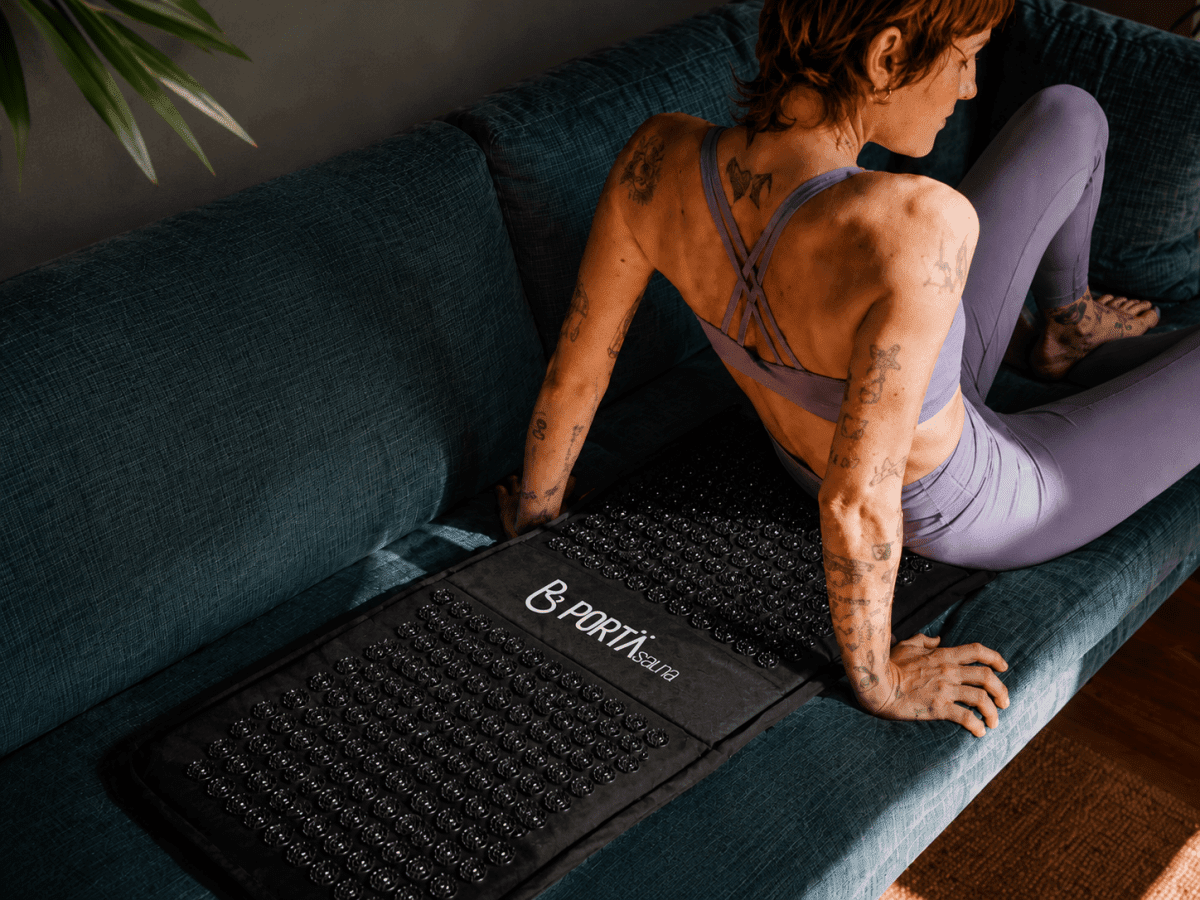
PortaSauna also contributed to the growing popularity of at-home sauna use in the UK, particularly among women seeking convenient recovery and relaxation routines without visiting a spa or gym. Many now choose a portable sauna with different sauna accessories for added convenience at home.
Women creating a consistent sauna routine often notice the greatest benefits when sessions remain sustainable, relaxing, and easy to maintain weekly.
Final Thoughts
Sauna use is a straightforward and effective way to help recovery and lower stress. Regular use of an infrared or traditional sauna can provide substantial wellness benefits. This is only possible if used along with healthy lifestyle practices, including good hydration, regular exercise, and a healthy diet.
Sauna therapy isn't a cure, but it's about prioritizing recovery, relaxation, and self-care as a component of your overall wellness plan.



Leave a comment
All comments are moderated before being published.
This site is protected by hCaptcha and the hCaptcha Privacy Policy and Terms of Service apply.