


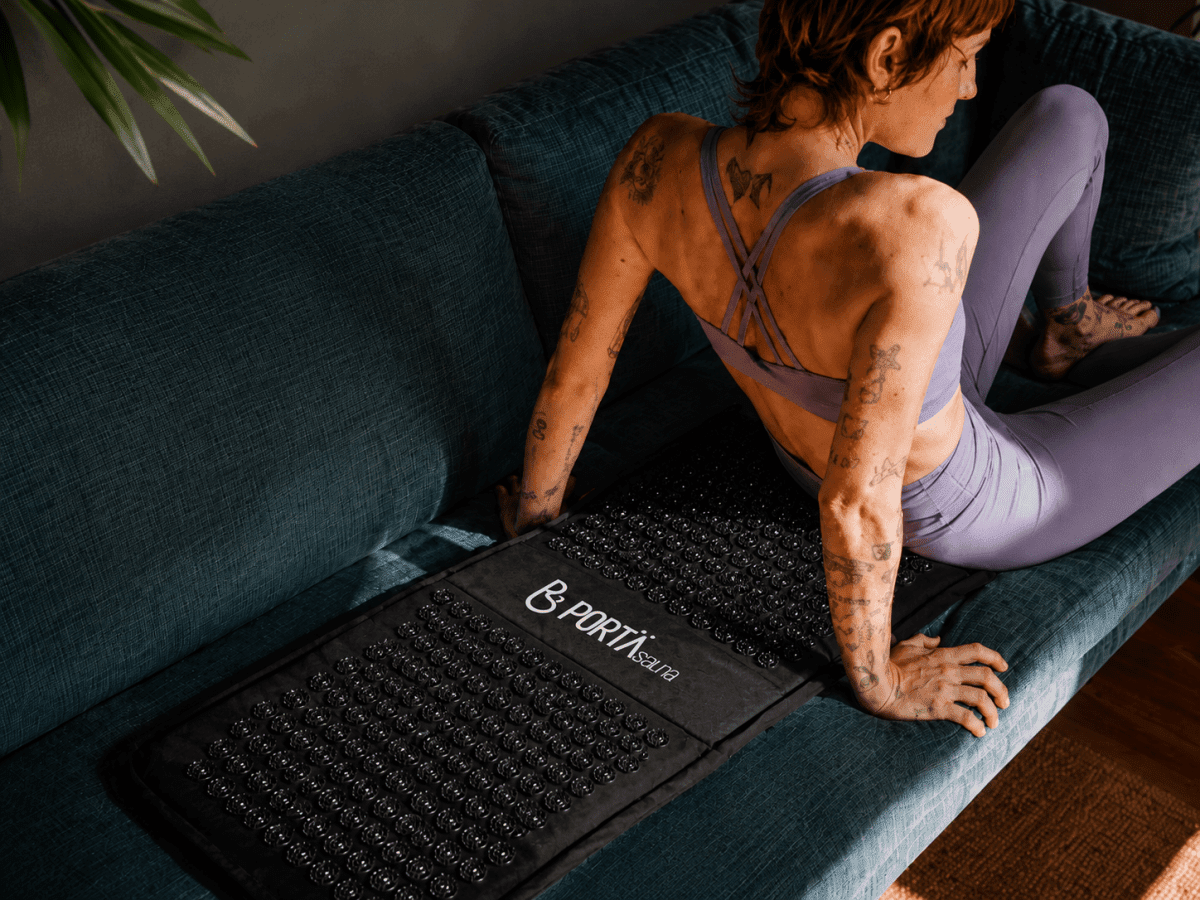
Acupressure mats have gone from a niche wellness tool to something you’ll find in bedrooms, home gyms, and recovery corners around the world. A mat covered in hundreds of small plastic spikes doesn’t exactly look relaxing at first glance. In fact, most first-time users have the same reaction: “Why would anyone willingly lie on that?”
After the initial sensation fades, many people describe a deep feeling of warmth, relaxation, and physical release. The Shakti mat benefits people talk about most are stress relief, better sleep, and easier muscle tension. None of that is hype exactly, but it's not magic either.
The real conversation around Shakti mat benefits is more nuanced. These mats aren’t a magic cure for chronic pain, poor sleep, or stress. However, they help people relax, ease muscle tightness, and create a moment of intentional recovery. Research on acupressure and acupressure mats is still developing, with some studies showing improvements in perceived stress and sleep quality, while overall evidence remains limited.
What is a Shakti Mat?
The Shakti mat is basically an acupressure mat filled with thousands of tiny plastic spikes in the form of discs that are placed across the surface. You lie on it, skin on spikes, and your weight presses it into pressure points on your back, neck, or feet.
The idea comes from traditional acupressure practices, where pressure is applied to specific points on the body to encourage relaxation. Acupressure is the traditional method of stimulating the points on the body to allow relaxation and balance. A Shakti mat is not so specific; it applies pressure to multiple points simultaneously.
Most people will feel the sharp pain when the spikes first come in contact with skin. But in a matter of minutes, these nerve endings get used to the mild pain, and endorphins are released to counter it, making the pain go away. The feeling that remains is often a warm, tingling, relaxing sensation.
The Key Benefits of Using a Shakti Mat

Some benefits are backed by emerging research. Others are supported mainly by personal experience and the long history of acupressure practices. Still, it's worth breaking them down individually because the mechanisms and how you'd use the mat for each aren't identical.
Stress Relief and Relaxation
This is one of the most commonly reported effects and one of the easiest to explain. The discomfort-to-relief cycle at the outset of lying down on the mat releases endorphins, and the low-level stimulation the following time the body appears to move from sympathetic "fight or flight" to closer to the parasympathetic "rest" state.
In a study investigating the frequency of using an acupressure mat, participants noted decreases in subjective stress and increased measures of well-being, with less-evident physiological changes.
People often describe the first few minutes as unpleasant, then a wave of warmth spreads through the back, and then a kind of full-body loosening. It's not unlike the relief after a deep tissue massage, minus the hands.
Better Sleep and Easier Wind-Down
A lot of Shakti mat users use it as a bedtime ritual, lying on it for 15-20 minutes before turning off the lights, instead of during the day. The relaxation response lowers the physiological arousal that keeps people staring at the ceiling.
A 2025 systematic review involving 41 studies found improvements in sleep quality, total sleep time, and sleep efficiency among participants receiving acupressure interventions
This is where it overlaps with other wind-down practices, all of which operate on the same principle: reducing core temperature and nervous system activation before sleep. One person wants to practice heat therapy as part of the evening ritual, and another wants to use an acupressure mat.
Muscle Tension and Back or Neck Relief
If you spend your day at a desk, or you train hard and don't stretch enough, tight shoulders and a stiff lower back are familiar territory. The mat's broad pressure stimulation seems to help release some of that tension, likely through a mix of localized blood flow increase and the same nervous-system downshift.
A review of clinical trials found that acupressure was a safe, low-cost approach that produced meaningful improvements in pain, disability, and even sleep among people with chronic low back pain.
It's not going to fix a structural issue or replace physical therapy for chronic pain. But for the everyday tightness that builds up from sitting, typing, or lifting, it's a genuinely useful five-to-twenty-minute reset.
Headache Relief
Tension headaches, the kind caused by tight neck and shoulder muscles rather than migraines, sometimes respond well to acupressure mat use, particularly when the mat is placed under the upper back and neck. The mechanism here is largely indirect: relax the muscles contributing to the tension, and the headache that follows often eases too.
Science is still developing. Acupressure techniques have been studied for different types of pain, including headaches, but results vary depending on the individual and the type of headache.
This isn't a universal fix, and migraine sufferers especially shouldn't expect the same results, since migraines have a different and more complex physiological basis.
Improved Circulation
Stimulation at the pressure points improves local circulation in the zones in contact with the mat. This enhanced peripheral circulation is seen on the back or feet after exercise, and is a common symptom; it is what gives the sense of looseness that accumulates over time with regular use;
Post-Exercise Recovery
This is where the mat becomes more useful within a wider recovery routine. After training, muscles can feel tight, and the nervous system may still be stimulated from exertion. While it is not a substitute for a complete gym recovery routine, a short session on the mat can help bring things back down. It is easy to do at home with no equipment or scheduling needed.
Mood and Energy
The endorphin release triggered by the initial pressure response doesn't just relax muscles; it can lift mood, at least temporarily. Some users describe a noticeable energy boost after a daytime session, similar to the post-exercise high but without the exercise. This effect tends to be more pronounced for people who use the mat consistently rather than sporadically.
Do Shakti Mats Actually Work? What the Evidence Says
Acupressure has centuries of traditional use behind it, and there's a reasonable body of small clinical studies supporting acupressure (and related practices like acupuncture) for pain, anxiety, and sleep quality. The trouble is "reasonable" doesn't mean "conclusive." Many of the studies are small, some are poorly controlled, and acupressure mats, specifically, as opposed to targeted manual acupressure, haven't been studied nearly as much as the broader practice.
What does exist tends to support the relaxation and tension-relief claims more than anything ambitious. Don't expect a Shakti mat to cure chronic pain, treat a diagnosed sleep disorder, or replace medical care for migraines. What the evidence, plus a large volume of consistent anecdotal reporting, does support is a real, repeatable relaxation effect for a lot of people, with results varying by individual.
The smartest way to view a Shakti mat is as a supportive wellness tool, not a cure-all. It can complement a healthy lifestyle, but it won’t replace exercise, medical treatment, or proper sleep habits.
How to Use a Shakti Mat to Get the Benefits

The biggest mistake beginners make is trying to be tough.
A Shakti mat is one of those tools where more intensity doesn’t automatically mean better results. The goal isn’t to endure discomfort. The goal is to relax enough that your body starts letting go of unnecessary tension.
For your first few sessions, aim for around 5 to 10 minutes. The initial prickly sensation can feel surprisingly sharp, but most people notice that it softens after a few minutes as their body adjusts. As you become more comfortable, you can gradually increase your sessions to around 20 to 40 minutes.
Many experienced users prefer lying directly on the mat with bare skin because it allows the pressure points to make full contact. If it feels too intense, place a thin T-shirt or lightweight cloth between your skin and the spikes. There’s no prize for suffering through the first session.
Slow, controlled breathing makes a difference.
Taking long exhales can help your nervous system shift into a calmer state and turn the experience into a genuine recovery ritual rather than just lying on a piece of plastic.
The most common areas to use a Shakti mat include:
- Upper and lower back: Helpful after hours of sitting, physical work, or training.
- Shoulders and neck: Useful for carrying everyday tension.
- Feet: A popular option for people who spend long hours standing.
The best results usually come from consistency. A 15-minute session several evenings each week will likely be more useful than a single hour-long session once a month.
Also, consider the side effects if not used properly. For most healthy adults, acupressure mats are considered low risk and easy to use. The most common reactions are temporary redness, warmth, tingling, or mild discomfort during the first few minutes. These effects usually fade shortly after the session ends.
Where a Shakti Mat Fits in a Wider Recovery Routine
A Shakti mat works best when you stop thinking of it as a standalone fix.
The mat simply adds another accessible layer to your recovery routine. Along with good sleep, regular movement, proper hydration, balanced nutrition, and moments of intentional rest are still the foundations.
A long day at work often leaves the body feeling tight due to prolonged sitting, daily travel, or hours spent looking at a screen. Spending a few minutes on a Shakti mat helps ease that built-up discomfort and create a sense of physical calm. Following a workout, it can also serve as a peaceful moment that supports relaxation and better connection with your body.
Greater recovery benefits often come when acupressure is combined with temperature-focused practices such as heat therapy and cold immersion.
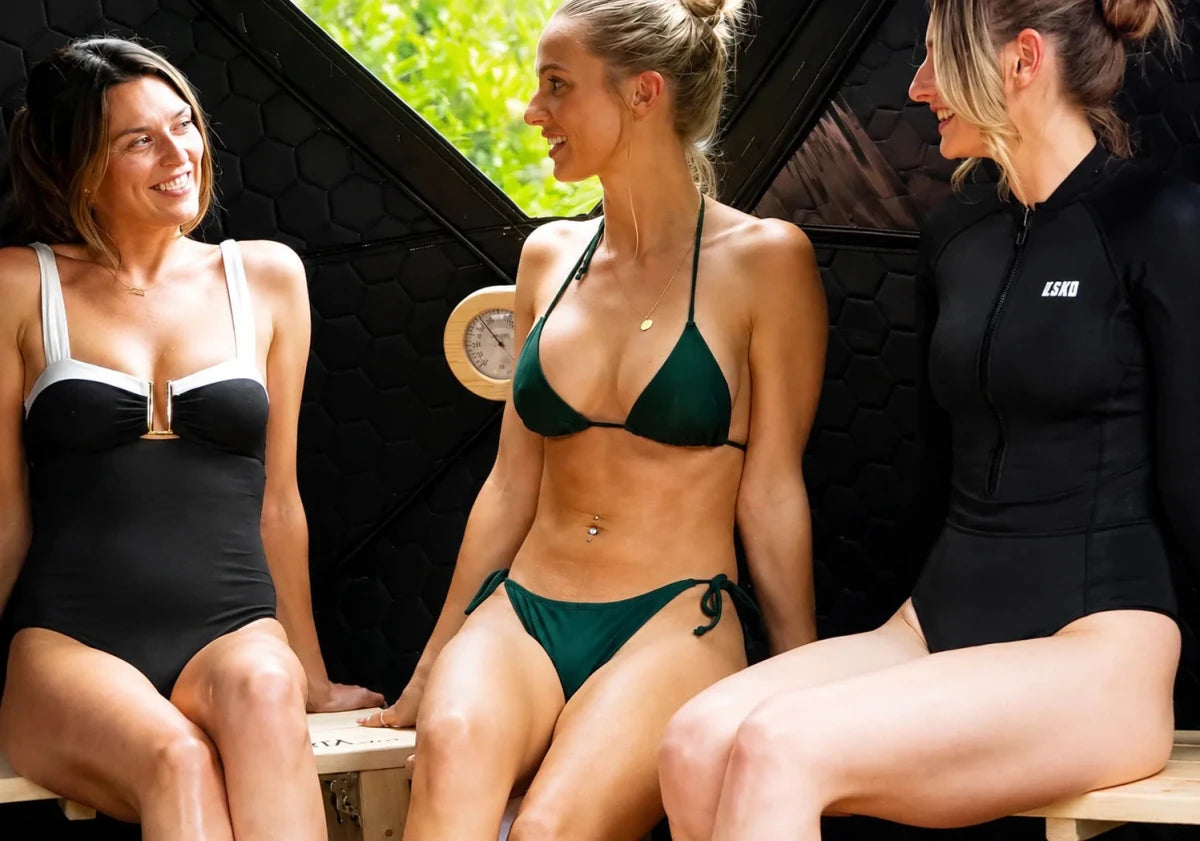
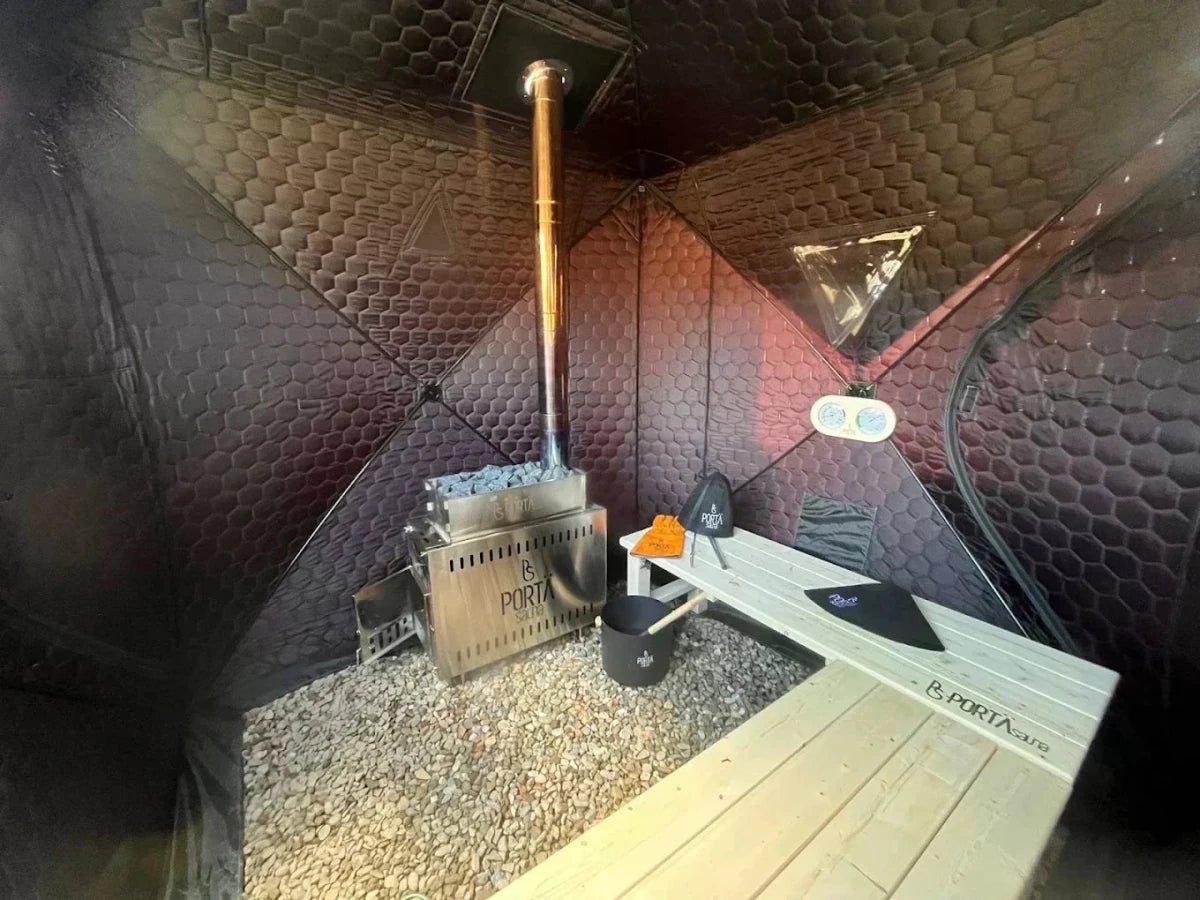
Those who regularly practice sauna therapy for muscle recovery or improved sleep preparation can easily integrate the mat into their routine. Using it shortly before or after a sauna session can lengthen the period of relaxation while keeping the process simple. Cold exposure routines can also work well alongside acupressure. The Shakti mat complements contrast practices by helping to relieve localized areas of stiffness that temperature-based techniques might not fully reach.
For those looking to build a more complete at-home wellness routine, combining a Shakti mat with a portable sauna and cold therapy can create a simple ritual that supports relaxation, recovery, and consistent self-care, without needing a spa membership or complicated setup.
Conclusion
The Shakti mat earns its reputation through something fairly unglamorous: consistent, modest relaxation benefits backed by a mix of plausible physiology and a genuinely large body of anecdotal support. It's not a cure-all, and anyone selling it as one is overstating the case. But for stress relief, easier sleep, muscle tension, and as a low-cost addition to a broader recovery routine, it does what it claims to do for most people who try it.
If you're building out a recovery practice that includes heat or cold exposure, the mat is a natural and inexpensive layer to add, not a replacement for those bigger-impact tools, but a useful companion to them.


Leave a comment
All comments are moderated before being published.
This site is protected by hCaptcha and the hCaptcha Privacy Policy and Terms of Service apply.