


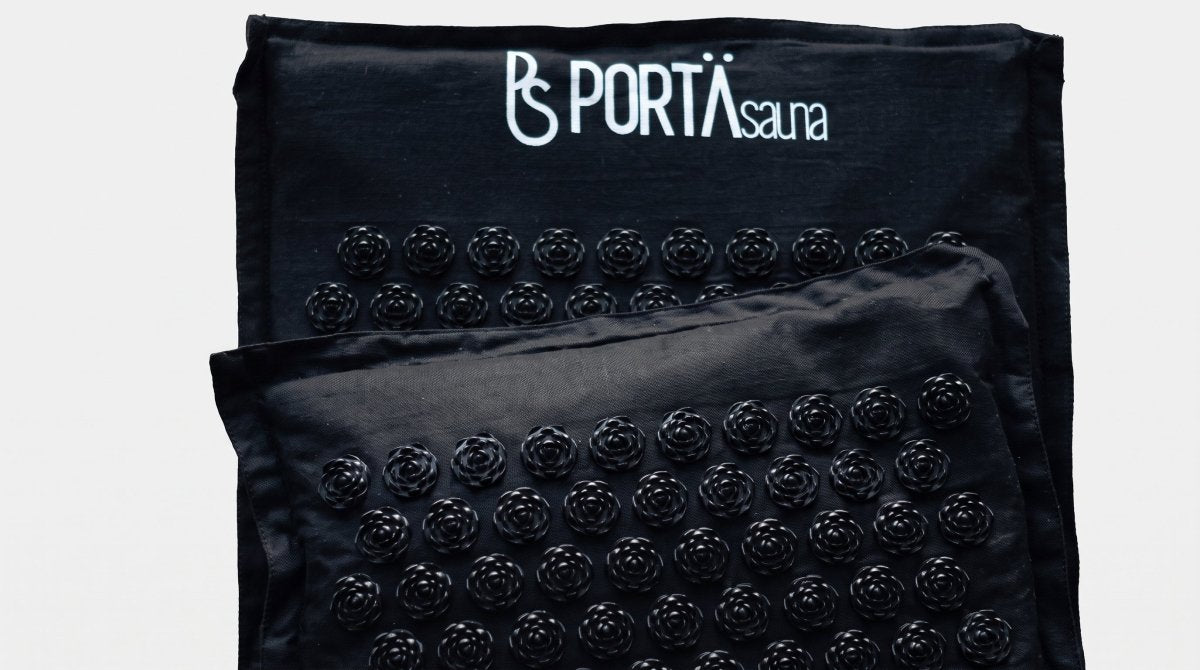
A Shakti Mat can feel surprisingly sharp the first time you lie on it. That’s normal. Learning how to use a Shakti Mat is mostly about starting gently, letting your body settle, and not treating the session like a toughness test.
The tiny spikes create firm, prickly pressure across the skin. At first, your back may tense up. Then, for many people, the sensation shifts into warmth, heaviness, and a slower breathing rhythm. That’s the part people usually come back for.
Still, this isn’t a cure, treatment, or magic recovery shortcut. It works as a simple pressure-point mat that you can add to an evening routine, a post-sauna wind-down, or a quiet reset after a long day.
Before You Use a Shakti Mat
Before your first session, resist the urge to go all in. A lot of beginners assume more pressure means more Shakti Mat benefit, then end up gritting their teeth through ten uncomfortable minutes and swearing off the mat entirely.
Start on a soft surface. A bed, a sofa cushion, or a folded yoga mat all work fine for your first try, since they let some of your body weight sink in rather than pressing directly onto every spike. If you already have a sauna bench at home, the padded upper tier makes a surprisingly good first-session spot, too. Wearing a thin T-shirt for your first few sessions also takes the edge off. Bare skin gives a stronger, more direct pressure, and that's worth trying later once you know what to expect.
The sensation itself should feel prickly, warm, and fairly intense in the opening minutes. That's the mat doing its job. What isn't normal is sharp pain, numbness, dizziness, or skin irritation. If you notice any of that, get up and stop for the day.
Step-by-Step Process of Using a Shakti Mat
Using a Shakti Mat is simple, but following the steps properly makes the first session more comfortable.
1. Place the Mat on a Comfortable Surface
A bed or sofa is the easier starting point; the mattress or cushion absorbs some of the pressure, which keeps things manageable while you're still learning what "normal" feels like on this thing. The floor is fine once you're past the beginner stage and want fuller pressure. Whatever surface you pick, keep the mat flat and unfolded so the spikes distribute evenly across your back instead of concentrating in one spot.
2. Lie Down Slowly
Lower yourself onto it in stages; don't just drop your full weight down at once. Start with your back and shoulders resting flat against the mat. That position spreads the pressure across the biggest, least sensitive muscle area you've got, which makes it the most forgiving place to begin.
3. Stay Still and Breathe
The first two to three minutes are usually the most intense stretch of the whole session. This is where most beginners want to bail. Instead, slow your breathing and stay put. Shifting around actually makes the spikes feel sharper, since you're changing the contact angle and re-triggering that initial "ouch" response.
4. Keep the First Session Short
Five to ten minutes is plenty for a first go. There's no prize for gritting your teeth through discomfort just to hit some arbitrary time target; build tolerance gradually, over several sessions, rather than forcing it in one sitting.
5. Get Off the Mat Gently
Roll onto your side first rather than sitting straight up. Stand slowly. Give your skin a minute to settle; you'll likely see a pink, dotted pattern where the points made contact, which is normal and fades on its own.

How Long Should You Use a Shakti Mat?
There's no universal number here, but a rough progression works for most beginners:
- First session: 5–10 minutes
- Beginner use: 10–15 minutes
- Regular use: 15–20 minutes
- Experienced use: up to 30 minutes, if it still feels comfortable at that point
One thing worth being direct about: don't sleep on the mat. Falling asleep with prolonged, unmoving pressure on one area isn't what it's designed for, and it defeats the purpose anyway. The goal here is steady, controlled pressure and a relaxed nervous system, not seeing how long you can stay on it.
Best Beginner Positions for a Shakti Mat
For beginners, simple positions work best. Start with broad pressure areas before trying smaller, more sensitive spots like the feet or neck.
Back and Shoulders
This is where nearly everyone should start. Position the mat under your upper back, mid-back, and shoulders. If your lower back feels unsupported or tight, bend your knees and plant your feet flat; it takes the strain off and lets you focus on the sensation across your upper body instead.
Neck and Upper Shoulders
An acupressure pillow works well here if you have one, since it's shaped for the curve of the neck. No pillow? A rolled towel does the job. Keep your neck relaxed rather than forcing your head into an angle that feels stiff; the goal is contact, not a stretch.
Feet
Feet are dense with nerve endings, so this spot runs more intensely than most people expect. Start with socks on and keep it to one or two minutes. Barefoot use can come later, once you've got a feel for how your feet specifically respond.
How to Use a Shakti Mat After a Sauna Session
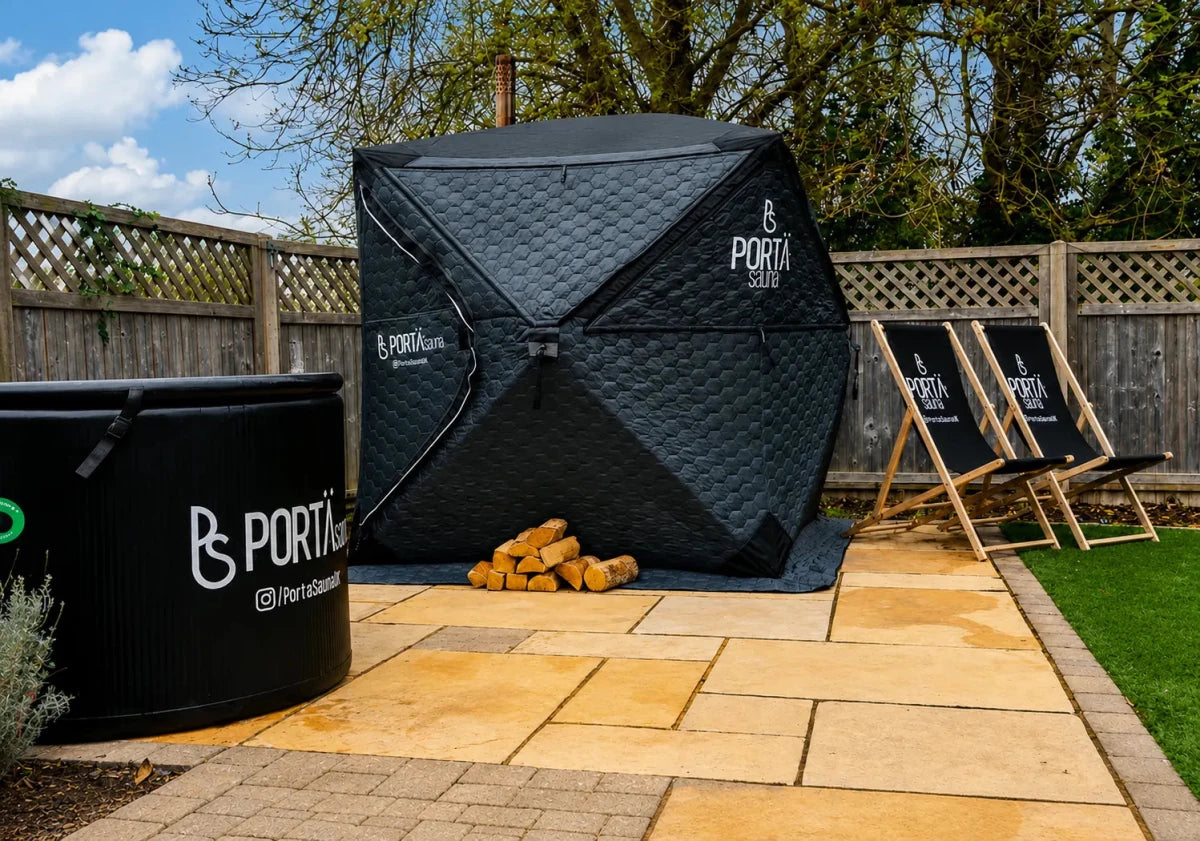
If you're building a wider home sauna wellness routine, using a Shakti Mat alongside a portable sauna can create a simple way to unwind after heat exposure. A sensible order looks like this: finish your sauna session, cool down, drink some water, sit for a few minutes to let your heart rate settle, then move on to the mat. Skip it if you're still overheated, dizzy, or dehydrated; your body needs to come back to baseline first.
For beginners, ten to fifteen minutes post-sauna is a good target. Used this way, the mat isn't detoxing anything or curing anything; it's simply a calm, deliberate way to bring your breathing and body down from the heat before you move on with your evening. If you're curious about the physiological side of that combination, the benefits of shakti mat after heat exposure are worth a closer look, and it pairs naturally with what we've covered in sauna benefits for men and sauna benefits for women.
If you're setting up a proper post-sauna space, having somewhere comfortable to sit or lie down matters more than people expect; a sauna bench or a set of deck chairs all give you a stable surface to transition onto the mat from, rather than trying to get down onto a hard floor while you're still cooling off.
When Should You Stop Using a Shakti Mat?
Stop immediately if you feel sharp pain, numbness, dizziness, or any skin irritation that lingers. Never use it on broken skin, a rash, sunburn, or an open wound. And if you're pregnant, bruise easily, take blood-thinning medication, or deal with circulation or skin sensitivity issues, talk to a doctor before adding this to your routine. The sensation should stay intense but controlled the entire time. The moment it tips into something that feels genuinely wrong, that's your signal to get off.
It's also worth having the right accessories for sauna use on hand: towels, a timer, something to sit on, so the whole routine feels deliberate instead of improvised.
Conclusion
Once you've got the basics down, a Shakti Mat stops being a novelty and starts becoming one of those small, repeatable habits that quietly make evenings better. Paired with a sauna session, it gives your body a clear signal to shift out of "heated and alert" and into "calm and done for the day." That's really all it needs to be: not a cure, not a miracle tool, just a steady, physical way to close out the day.



Leave a comment
All comments are moderated before being published.
This site is protected by hCaptcha and the hCaptcha Privacy Policy and Terms of Service apply.